
Why Is It Called Tusi?
Did You Know
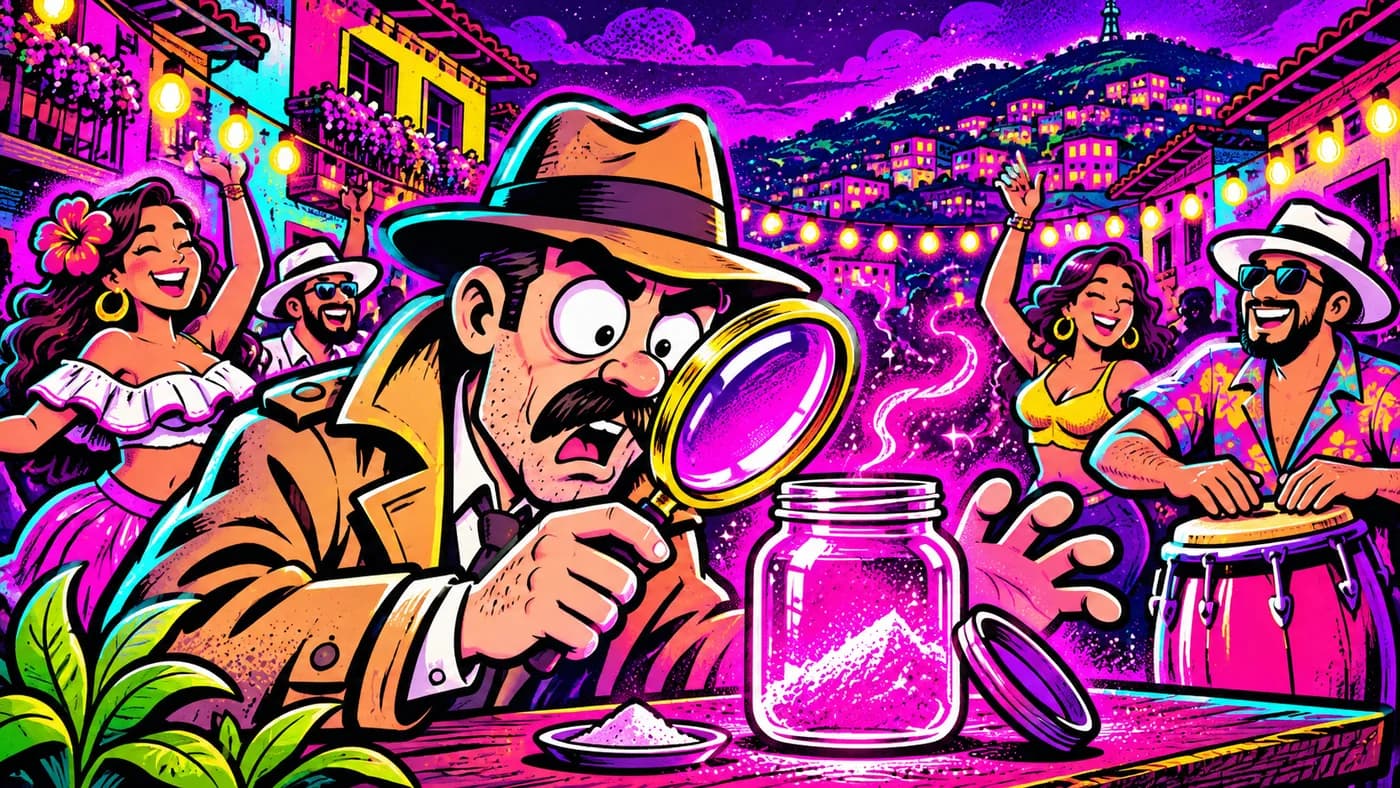
Tusi might have the most misleading name in the game. Its two names point at two different drugs, and most of the time it's neither one.
Blame the alphabet
The story starts with 2C-B, a psychedelic first made by chemist Alexander Shulgin in 1974. Say "2C" out loud in Spanish and you get something like "tu-ce." Over time, in Colombia's party scene, that turned into tucibi, then tuci, and finally tusi.
So the name is literally a spoken-out-loud chemistry label. It's a bit like calling a burger "two-all-beef" until everyone forgets why.
Plot twist
The powder that took over that name usually doesn't contain 2C-B at all. A 2024 analysis of 68 samples sent to a U.S. drug-testing lab found ketamine in 94% of them and MDMA in 81%. Real 2C-B is rarely found.
And the "pink cocaine" part?
Also misleading. Cocaine doesn't show up very often either. The pink comes from food colouring, and the "cocaine" part seems to be mostly marketing that stuck.
Why it matters
Tusi isn't one fixed recipe, so what's in it can change from batch to batch and place to place. That's a good reason to treat it with respect, and to read up on our Harm Reduction page.
A pink powder named after a drug it doesn't contain, nicknamed after another drug it doesn't contain. Honestly, iconic. See Tusi (Pink Cocaine).
Leave a comment
Comments are closed on this post.
Read next
 18 November 2026The Happiest Accident in Medical HistoryViagra was supposed to fix chest pain. The volunteers noticed something else.
 18 November 2026Yes, Coke Really Had Coke in ItThe world's most famous soda started out as a pharmacist's coca tonic. Here's the real story.
 18 November 2026Molly Is Older Than Sliced BreadMDMA turned up in a German lab in 1912. Sliced bread had to wait another 16 years.